---BREAKAWAY CIVILIZATION ---ALTERNATIVE HISTORY---NEW BUSINESS MODELS--- ROCK & ROLL 'S STRANGE BEGINNINGS---SERIAL KILLERS---YEA AND THAT BAD WORD "CONSPIRACY"--- AMERICANS DON'T EXPLORE ANYTHING ANYMORE.WE JUST CONSUME AND DIE.---
Electronic Arts is the most recent publisher to run into serious problems with its online server architecture screwing up the launch of a new game, but
it's definitely not the first. Throughout the last decade or so, plenty
of game makers have seen otherwise promising games marred at their
debut by early problems surrounding game and server performance. To
refresh your memory, here are five of the most memorably screwed-up
launch experiences to hit the PC.
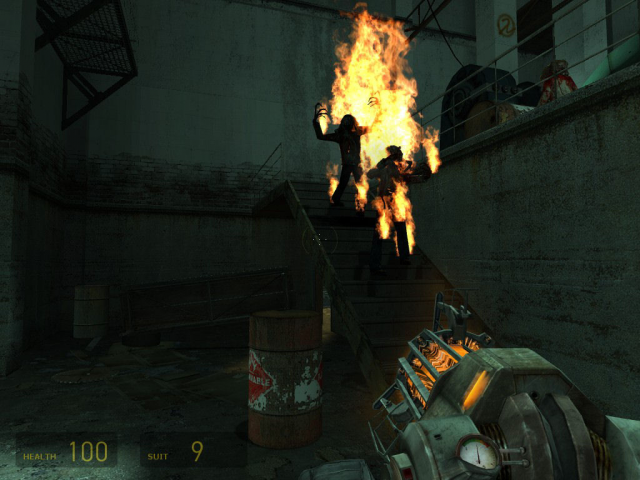
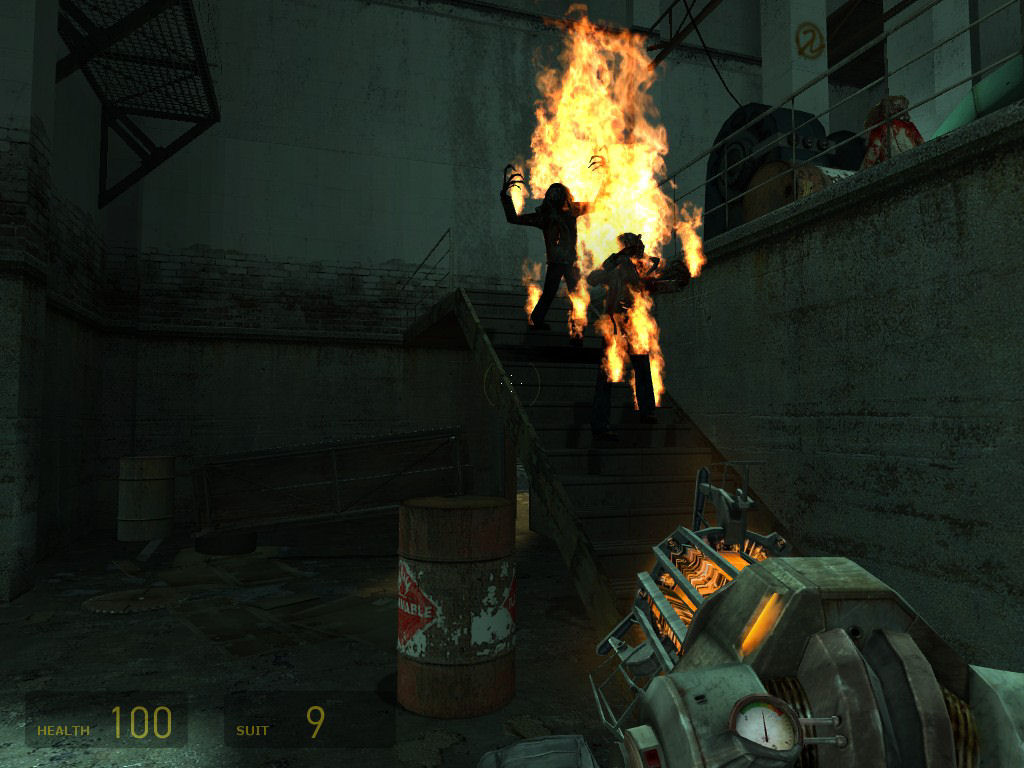
These days, Steam is the de facto way many of us get most of our PC
games, and the system provides a generally good experience. But those
around for its launch in 2004 remember it wasn't always this way. Even
before the service launched alongside the long-delayed blockbuster
release of Half-Life 2, there were plenty of people complaining
about the onerous "permanent Internet connection" that would be
required to play even single-player games on the service (though it's
worth noting that an "offline mode" was available after the first
authentication, even in those early days).
Despite weeks of pre-load downloads for online customers, when the
game actually launched, the authentication servers for the retail
version got hammered to the point of being useless for many customers.
The BBC reported
on the problems, noting the (then) new and unusual fact that "even
gamers that only intend to play the game by themselves must authenticate
their copy." Forum threads
complained loudly about server overload preventing them from playing
the game they purchased. As if that weren't enough, gamers who were able
to play complained about graphical stuttering even on high-end systems (for the time).
Things calmed down rather quickly, though, as Valve increased its server capacity a few days after launch. Half-Life 2
went on to win pretty much every laudatory award the industry could
throw at it, and Steam went on to dominate the world of digital
game distribution. It just goes to show you that even successful
services and games can sometimes get off to bumpy starts.
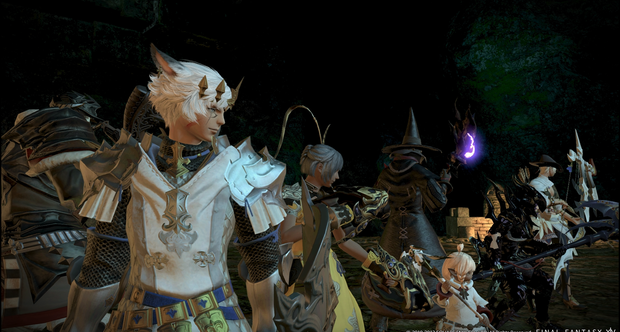
Final Fantasy XIV
Launch date: September 22, 2010
This wasn't so much a case of a problematic launch server as it was a
launch of a fundamentally unfinished product. Things got off to a bad
start even before the launch, when the public beta was delayed to fix "critical bugs."
That beta was then cut short a month earlier than expected so Square
Enix could, for some reason, rush to launch with a game still riddled
with massive issues. PC Gamer summed up the issues in its 30/100 initial review.
The kindest thing that can be said about the Final Fantasy
MMO is that it has a good intro movie. That movie doesn’t take 10
minutes to load, it maintains a constant framerate, and you don’t have
to traverse a labyrinth of menu screens to play it. In short, it’s
everything the game isn’t.
Square publicly apologized and committed to fixing these major
technical and gameplay issues, offering early players a 30-day free
trial while it got things in order. But the publisher keptextending that trial as the game failed "to achieve the level of enjoyability that Final Fantasy
fans have come to expect from the franchise," as the producer put it.
Square Enix didn't feel comfortable charging for the game until January
6, 2012, more than a year after that bug-filled initial launch.
To Square's credit, they stuck with the game, slowly adding features
and fixing problems with patches even as the title became a significant
drag on their resources. The game is now being given the full relaunch
treatment with A Realm Reborn, an overhaul that has just started
closed beta and is already looking much better than the complete mess
that doubled as the original game. The whole debacle seems to have been a
humbling lesson for a company that probably figured that extending its
popular single-player RPGs into the multiplayer world would be a lot
easier.
World of Warcraft
Launch date: November 23, 2004
You'd think that Blizzard would have known it had a hit on its hands when first launching World of Warcraft
in 2004. Apparently, though, the company severely underestimated just
how many people would be flooding into Azeroth's virtual worlds when the
company flipped on those servers on November 23.
In the days after that launch, server queues routinely reached into the thousands,
random disconnections were common, and latency issues famously trapped
people in a "looting" animation for a half hour. Problems were still
frequent by January 2005, when GameSpot reported that 20 of the game's 88 servers were offline for the Martin Luther King Jr. Day holiday weekend. Blizzard's Mike Morhaime publicly apologized for the problems and offered four days of free play time for the disruption (street value: about $1.50).
The server problems got so bad that Penny Arcade revoked their game of the year award
for the title. "Every week, there is some new calamity that
necessitates some huge response on their part, servers are coming down,
but if you think that the servers coming back up again will represent an
improvement in the basic functionality of the game you’re mistaken,"
the site wrote.
Blizzard seemed to learn its lesson quickly, and the game was much
more stable as it saw extreme subscriber growth through 2005 and beyond.
It went on to become the world's most popular MMO by a good margin for
years to come. But to those who were there at the troubled start, those
lofty heights seemed like a long, long way away.
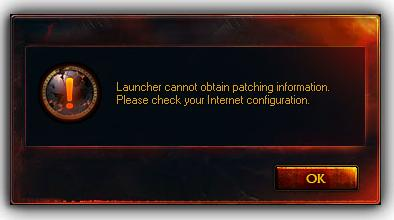
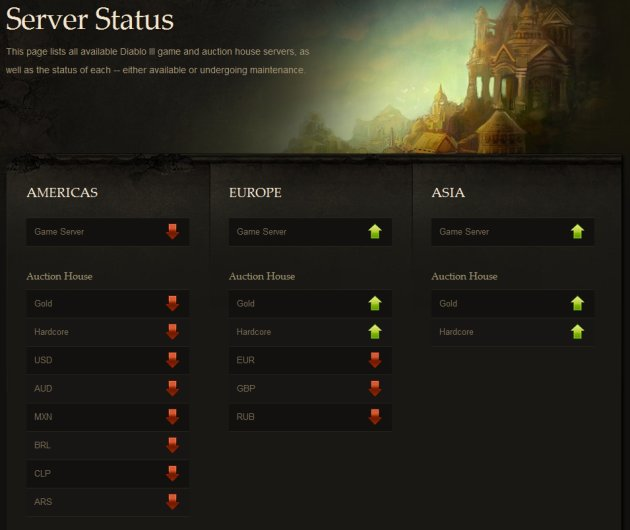
You'd think that Blizzard would have learned to over-budget for servers after the World of Warcraft launch issues, but the launch of the always-online Diablo III
shows it didn't. As millions of players tried to log in on launch day, a
good portion ran into the now-infamous "error 37" (or the related
"error 73") before being booted back to the launch screen. Those who
could get in often faced synchronization problems and random
disconnects.
Blizzard initially downplayed the problem, but as Twitter, Facebook, and YouTube filled with over-the-top rage (not to mention countless jokes) about not being able to log in, Blizzard quickly offered a formal apology.
"Despite very aggressive projections, our preparations for the launch
of the game did not go far enough," the company said. "We're continuing
to monitor performance globally and will be taking further measures as
needed to ensure a positive experience for everyone."
Just when Blizzard thought the problems were behind them, servers were again hammered on May 31, when a new patch rollout led to widespread login errors yet again.
By that point, many players had already given up on a game that by most
accounts failed to live up to a decade of heightened expectations.
Though the game still has a devoted following, the pain of that negative
first impressions seems to have taken its toll.
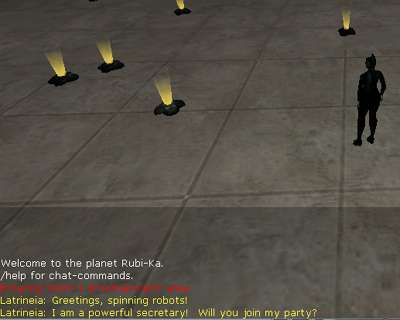
The
name of this early MMO became oddly ironic as its release became the
primary example of how not to launch an online-connected game. In a 2010 interview with Massively, Anarchy Online
lead Colin Cragg described the stories still told by the old-timers
that were at Funcom for the troubled launch as "pretty frightening.
Tales of bouncing servers, crashing and just about everything that is
possible to go wrong did." As one Amazon reviewer put
it at the time, "the sooner Funcom closes the lights on the few
remaining players in this flaming wreck of a game, the better."
How bad was it? Something Awful's hilarious launch day write-up captures the battles with empty environments, low frame rates, constant lag, and frequent crashes:
I returned to the fray. The cleaning robot had come back
as well, so I ran over to it and began apologizing profusely... No
response. I asked if the cleaning robot was perhaps lagging and unable
to read my messages, and if he too was routinely getting disconnected.
He didn't answer me, so I assumed that he was lagged. I decided to take
advantage of his poor connection by trying to make out with him. The
game then crashed.
Anarchy Online's problems weren't limited to empty gameplay servers—they extended to registration and billing as well. Players reported multiple registration confirmations,
problems getting their credit cards to go through, and even issues with
accepting the registration keys that came with the retail copies of the
game (remember those?).
In a newsletter two weeks after the launch,
Funcom apologized for what it called "some significant issues that our
customers have been dealing with the last few days," while also
trumpeting 35,000 registered accounts. The company also publicly asked
the press to "hold back on a full review until we have solved these
problems." This was a problem for many of the magazines that had already
gone to print, but also for many websites that flat-out ignored the request and reviewed the game in its initial broken state.
While it took months for Funcom to get its prematurely released game
into a playable state, the persistence seems to have paid off. Anarchy Online
is now one of the longest-running MMOs still in service, and it has
attracted millions of subscribers over its lifetime. While the launch
disaster still gets mentioned, reviews of subsequent expansions are
generally much more positive and forgiving of the early struggles. Will
we be saying the same thing about SimCity in a decade's time?
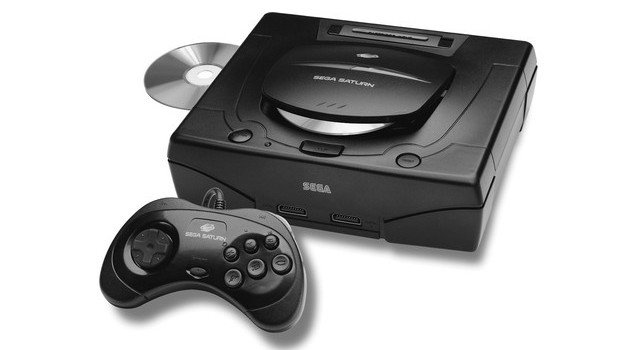
Bonus console launch disaster: Sega Saturn
Launch date (US): May 11, 1995
Sega needed to make a splash with the Saturn after a string of
hardware failures including the Sega CD and 32X (not to mention strange
side projects like the Pico). That splash came at E3 1995 when the
company announced that the Saturn, which at that point had been planned
for a holiday release in the US, was already on shelves at four select
retailers. It must have seemed like a good idea at the time; a way to
cut off Sony's upstart PlayStation before it could even get off the
ground. But the early release simultaneously angered the retail partners
that didn't get early hardware and the third-party publishers that
missed their chance to get in on the lucrative launch. Not to mention
that the lineup of the six Sega-made games that came with the system
didn't really set the world on fire (Clockwork Knight, anyone?).
The surprise launch also may have been too much of a surprise to
consumers, who had been softened up by the kind of saturation
advertising and point-of-purchase marketing that came along with the
better-planned PlayStation launch. Speaking of which, Sony took a lot of
the wind out of Sega's sails by getting up on stage immediately after
the Sega press conference and announcing that the PlayStation would
launch at $299—a full $100 less than the Saturn. Surprise!

 Posts
Posts




No comments:
Post a Comment