
 Posts
Posts


This Week in Photography History: Eddie Adams’ Pulitzer Winning Image Was Captured
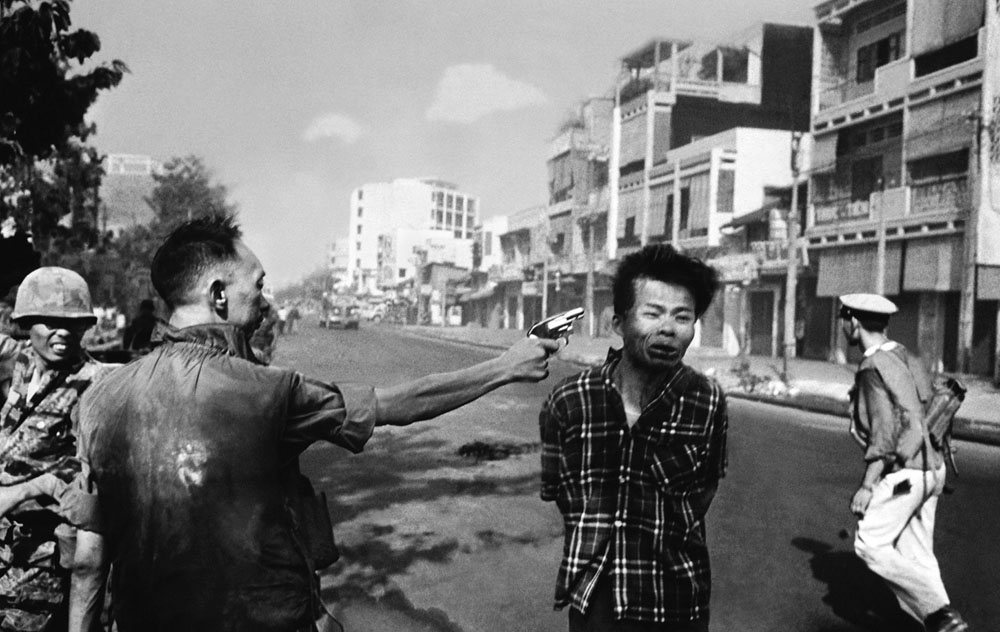
Eddie Adams (1933-2004) who documented thirteen wars, shot one of the most iconic, memorable and gritty images of the Vietnam War on February 1, 1968 which you see above. This image is forever etched into the minds and history books of both past and future generations, to the effect that one simply cannot lookup information on the Vietnam War without coming across this photograph. This image won Adams a Pulitzer Prize in 1969 and despite the fact that he truly, desperately wanted to win a Pulitzer, he lamented the fact that he won for this image.
When asked about the reaction of this photo has had on the world, Eddie would become quite serious in his mannerisms and often change the topic to something else. In a discussion about General Nguyen Ngoc Loan He was quoted saying:
“The general killed the Viet Cong; I killed the general with my camera. Still photographs are the most powerful weapon in the world. People believe them; but photographs do lie, even without manipulation. They are only half-truths. … What the photograph didn’t say was, ‘What would you do if you were the general at that time and place on that hot day, and you caught the so-called bad guy after he blew away one, two or three American people?“Eddie personally felt that the photo did a massive injustice to the General and ultimately ruined his life, he did seek him out to personally apologize for the irreparable damage to his honor and reputation.
Regardless of how you may feel about the image, there is no denying the power behind it, it is uncommon in most media outlets to share an image portraying the exact moment of someone’s death, but this surely is one that will live on forever, and while Eddie Adams did not want recognition for the image, it was clear that it resonated with the world when he received the Pulitzer Prize. That single image changed his entire career, he would occasionally face criticisms from colleagues for not trying to stop the execution, and the image itself was so haunting to him that he couldn’t even look at it for two years after taking it. He felt conflicted to be getting paid for photographing one man killing another.
Personally, I have an immense level of respect for Photojournalists that have to document warzones as so many of them are put into dangerous or controversial situations, and as a Documentary Photographer you try to remain invisible and let the scene unfold without influencing it. I cannot imagine what that must be like to experience. In closing, I will leave you with the image sequence leading up to the execution and the moment afterwards, and I ask you to realize and understand the important cultural role we play as Photographers, and to think about the power behind your images. What message are you sending with the images you capture and share with the world?
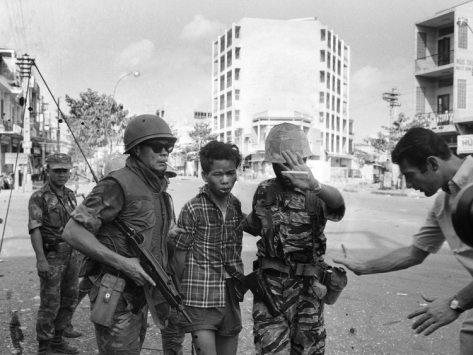
Leading up to the fateful moment

Shortly before the execution

The moment General Loan fired his gun.

The moment after execution
Citation:
NY Times Lens Blog
Wikipedia
Digital Journalist
Washington Post
All images are ©Eddie Adams and his estate


No comments:
Post a Comment