Subscribe To


 Posts
All Comments
Posts
All Comments
Thursday, April 14, 2016


NAZI CONNECTIONS TO 9/11 – THE SCHMITZ BROTHERS ~ hehe you NEVER fucking EVER gotta " sniff " 2 deep ...ta "find" thum fucking nazi's ...do ya
 THE SCHMITZ FAMILY TREE
Joseph Edward Schmitz is the son of the late John G. Schmitz, former California State Senator, Member of the U.S. House of Representatives, and U.S. Presidential candidate (1972). John Schmitz was famous for his right-wing views and occasional racist and homophobic remarks. His public career was ended when it was revealed that he had an affair and fathered two illegitimate children. John Schmitz’s seven legitimate children include former George H.W. Bush White House counsel John P. Schmitz, Jerome T. Schmitz, Theresa Manion, Elizabeth Crnkovich, Philip Schmitz (who tragically drowned as a baby in the family pool), child rapist Mary Kay Letourneau, and Joseph Edward Schmitz.
http://en.wikipedia.org/wiki/Joseph_E._SchmitzSCHMITZ CLAN INTERMARRIED WITH THE BUSH FAMILY
http://www.spitfirelist.com/f533.html
Jeb married a Mexican woman. Columba Bush’s sister is married to John P. Schmitz,
a beneficiary of the fellowship programs subsumed under the Carl
Duisberg Gesellschaft and the brother of Joseph Schmitz, currently the
head of the Blackwater security outfit. John P. Schmitz has close links
to the elder George Bush, the 9/11 milieu…JW has filed suit seeking the Administration’s anthrax documents to ascertain why the White House starting taking heavy doses of Cipro on the day of the attacks—nearly a month before anthrax was even discovered on Capitol Hill, and while postal workers continued to sort mail in contaminated offices—some dying in the process.”
 JOHN G. SCHMITZ –
BIRCH SOCIETY NATIONAL DIRECTOR
http://www.arlingtoncemetery.net/jgschmitz.htm
… when the county’s longtime conservative Rep. James B. Utt died and local Republicans needed a successor, Schmitz–by then a national director of the ultraconservative John Birch Society — was a natural choice. Over time, he lost the support of the John Birch Society, which found him too conservative and dismissed him from its national council in 1982. Earlier, he had said he joined the society “to do something to get the middle-of-the-road vote in Orange County.”
BIZARRE SEXUAL PERVERSIONS
http://72.14.209.104/search?q=cache:NAraNorh2JcJ:p216.ezboard.com
/frigorousintuitionfrm10.showMessage%3FtopicID%3D2151.topic
+%22JOHN+P.+SCHMITZ%22+SCANDAL&hl=en&gl=us&ct=clnk&cd=4
One of the strangest episodes in Schmitz’s saga concerns a second family he raised by his German (!) mistress. A young boy conceived in that relationship appears to have been sexually mutilated. “But the man who saw conspiracies everywhere, who was an equal opportunity bigot, and who decried America’s moral decrepitude, had, himself, a skeleton in the closet. It came to light in a curious way. An Orange County child abuse case in 1982 concerned a thirteen-month-old infant who was discovered with hair so tightly wound around his penis that the organ had nearly been severed. The baby was placed in protective custody, and the court demanded that the father step forward. It turned out to be none other than John G. Schmitz, now again a state senator, paterfamilias of five children and, er, two others with his German mistress, once his student at Santa Ana. It marked the end of Schmitz’s political career (although he did attempt to run for Congress once more). The charges against the mother were eventually dropped and the infant restored to her care. But it was never explained what was going on with the hair-wound penis. One historian has suggested that it was a ‘mysterious sex—or probably anti-sex ritual . . . as if a chastity device.’ Schmitz, feisty as ever, remarked, ‘I ought to get the Right to Life man-of-the-year award for this.’”
IRAN-CONTRA
http://delong.typepad.com/sdj/2006/03/the_entire_cato.htmlJohn Schmitz was the father of the Bush I aide most involved in Iran-Contra, John P. Schmitz, who refused to testify before the Walsh Commission …
 IS JOHN P. SCHMITZ A KEY PLAYER IN 9/11?
http://www.voxfux.com/articles(closed)/00000010.htm
… Some may remember Schmitz from the Iran/contra investigation, when the Office of the Independent Counsel (OIC) reported that each witness interviewed regarding document production complied except for Schmitz, who asserted that his documents were privileged work product.
Schmitz, fluent in German and a Partner in global-law firm Mayer, Brown & Platt, has clients that include Bayer AG, German maker of the antibiotic Cipro, which fights Anthrax, about which Larry Klayman and Judicial Watch (JW) will have keen interest. Recently, JW filed suit seeking the administration’s anthrax documents to ascertain why the White House starting taking heavy doses of Cipro the day of the attacks — nearly a month before anthrax was even discovered on Capitol Hill, and while postal workers continued to sort mail in contaminated offices — some dying in the process.
But John Schmitz’s Mayer-Brown profile also reveals that he represents Enron, adding that “we were active in Germany [with Enron] until the end….It [bankruptcy] surprised me as well as anyone else,” according to Reuters (1-4-2002). Moreover, Mayer-Brown also represents Deutschebank on a regular basis regarding its electronic commerce activities; and curiously, Schmitz’s law firm maintains an office in Tashkent, Uzbekistan along with Enron — if only to make sure oil is well in the Caspian Sea basin.
Even many 9/11 victim families will even come to recognize Mayer-Brown; for conveniently, the firm also happens to represent United Airlines against 9/11 family lawyers Mary Schiavo and Donald Nolan. And given partner John P. Schmitz’s close former relationships with the Bush family, Mayer-Brown’s many water coolers may become intriguing conduits when Miss Schiavo and Mr. Nolan begin their respective legal discovery initiatives regarding who will be subpoenaed or deposed and what evidence is or is not revealed.
Michael Feagley, a Mayer-Brown lead attorney in more than 35 jury and bench trials, and evidentiary hearings, is a recognized expert in witness testimony and evidence. And like 9/11 Victim Compensation Fund Special Master Kenneth Feinberg, Feagley is an also an authority on alternative dispute resolution techniques – the art of bringing parties together to compromise in legal disputes. His law firm biography lists the art of avoidance of and preparation for potential future litigation as an additional key area of expertise.
Mayer-Brown’s website also lists a connection to President Bush’s family, in that one of its partners, John P. Schmitz, personally represents and lobbies for both Enron and Bayer AG, while also sitting on the Trustee Board of Bayer Foundation. Moreover, Schmitz, fluent in German, was White House Deputy Counsel when George H. W. Bush was both President and Vice President, making the story’s legs that much more interesting.
JOHN P. SCHMITZ PROFILE
Employment – Mayer, Brown, Rowe & Maw LLP, Washington, D.C., 1993 to date • Deputy Counsel to President George Bush, The White House,Washington, D.C., 1989-1993 • Deputy Counsel to Vice President George Bush, Office of the Vice President, The White House, Washington, D.C., 1985-1989 • Wilmer, Cutler & Pickering, Washington, D.C., 1984-1985 • Robert Bosch Foundation Fellowship, Office of Bundestag Member Matthias Wissmann, Bonn, and Office of General Counsel, Robert Bosch, GmbH, Stuttgart, Germany • Law Clerk to The Honorable Antonin Scalia, U.S. Court of Appeals for the District of Columbia, Washington, D.C., 1983-1984 • Research Fellow, Environmental Quality Lab, California Institute of Technology, Pasadena, CA, 1982-1983 • Special Assistant to William Baxter, Assistant Attorney General for Antitrust, U.S. Department of Justice, Washington, D.C., 1981-1982 • Research Assistant to Professors John Ferejohn and Morris Fiorina, Pasadena, CA, and London, England, 1978-1980 • Legislative Assistant to Goodloe E. Byron, Member of Congress, Washington, D.C., 1977 • Legislative Aide to Charles W. Sandman, Jr., Member of Congress, Washington, D.C., 1973-1975.Education
Stanford Law School, J.D., 1981; Stanford Foundation for Law and Economic Policy, founding member; Stanford Law Review • California Institute of Technology, M.S., Economics, 1978; Completed all coursework and exams toward Ph.D • Georgetown University, B.A. magna cum laude, 1976; Phi Beta Kappa; Dobriansky Fellowship
Languages
German (fluent)
JOHN P. SCHMITZ, MAYER-BROWN, ANTHRAX,
BEN VENISTE, ETC.
http://www.parapolitics.info/phorum/read.php?f=31&i=409&t=409
Mayer-Brown also has clients that include Bayer AG (German maker of
the antibiotic Cipro which fights Anthrax, about which Larry Klayman and
Judicial Watch (JW) will have keen interest.JW has filed suit seeking the Administration’s anthrax documents to ascertain why the White House starting taking heavy doses of Cipro on the day of the attacks — nearly a month before anthrax was even discovered on Capitol Hill, and while postal workers continued to sort mail in contaminated offices — some dying in the process.
John Schmitz’s Mayer-Brown profile also reveals that he represented Enron, adding that “we were active in Germany [with Enron] until the end….It [bankruptcy] surprised me as well as anyone else,” according to Reuters (1-4-2002).
Moreover, Mayer-Brown also represents Deutsche Bank on a regular basis regarding its electronic commerce activities; and curiously, Schmitz’s law firm maintains an office in Tashkent, Uzbekistan, along with Enron — if only to make sure oil is well in the Caspian Sea basin.
And Deutsche Bank is knee-deep in pre-9/11 insider trading stock profits. Enough said.
Ben Veniste, for his part, was very cordial to us, even as we asked him about his recusing himself from participating in writing airline safety recommendations relative to his firm’s representation of United Airlines: “I have already addressed the conflict of interest issue.”
Real answers, however, about how serious Ben Veniste and other Commissioners are regarding their quest for 9/11 truth will come when it is learned which key administration players will testify and whether their subpoenas will be served “by consensus,” — to which Senator John McCain had referred during his Thursday morning testimony — or whether subpoenas will center along political party battle-lines. This, while also addressing issues of openness and public sunshine.
MOHAMMED ATTA
http://www.scoop.co.nz/stories/HL0207/S00097.htm
Mayer-Brown is a powerhouse multinational firm, with offices in
numerous Western European countries and the United States.
Interestingly, its website lists such clients as Enron Corporation, both
of whom maintain offices in the Caspian Sea basin in Tashkent,
Uzbekistan – near Afghanistan; German corporation Bayer AG – maker of
cipro, the antibiotic used to treat anthrax; and German banking giant,
Deutsche Bank, for electronic commerce activities. According to wide
reports, two of the September 11 terrorist hijackers maintained bank
accounts at Deutsche Bank, including leader Mohammed Atta.WILMER CUTLER & PICKERING
http://www.spitfirelist.com/f530.html
[John P.] Schmitz was a beneficiary of the Robert Bosch Foundation Fellowship, a subsidiary program (along with the Alfa Fellowship) of the Carl Duisberg Gesellschaft. When working with the Bundestag, Schmitz worked with Mathias Wissman, the former treasurer of the CDU! Later, Wissman went to work for Wilmer Cutler & Pickering, a law firm that also employed Schmitz and that represents key German government-linked corporations in their attempts to move into American markets.
JP. SCHMIDT’S LOBBYING INCOME
John Patrick Schmitz
Occupation: Lobbyist Employer: Mayer Brown Rowe & Maw
Home: McLean, VA
John P. Schmitz is a Washington lobbyist who reported $1.6 million in
lobby income in 2002 from five corporate clients led by the U.S.
Chamber of Commerce, Lockheed Martin and RxHub—an electronic
prescription service formed by leading drug-benefits companies. Schmitz
co-chairs the U.S. Chamber’s Federalism Initiative, which promotes legal
limits on the damages that businesses must pay when they harm workers,
consumers or communities.Occupation: Lobbyist Employer: Mayer Brown Rowe & Maw
Home: McLean, VA
JOSEPH E. SCHMITZ A KNIGHT OF MALTA
http://www.defenselink.mil/bios/schmitz_bio.htmlHe is a Young Leader Alumnus of the American Council on Germany, and a member of the Sovereign Military Order of Malta.
FEDERALIST SOCIETY
http://www.waynemadsenreport.com/september26-30.htmJoseph Schmitz is active in the Washington Lawyers’ Chapter of the right-wing Federalist Society, the same group with which the new Chief Justice John G. Roberts was affiliated.
BUSH APPOINTS JOSEPH SCHMITZ
AS IG AT THE PENTAGON UNDER RUMSFELD
http://www.telegraph.co.uk/news/main.jh./…“President Bush nominated Joseph E. Schmitz to be the Inspector General”
CLERKED FOR JAMES L. BUCKLEY
http://www.answers.com/topic/joseph-e-schmitzHe clerked with James L. Buckley [President of Radio Free Europe/Radio Liberty, Inc. 1982-1985], Circuit Judge, United States Court of Appeals for the District of Columbia Circuit …
SCHMITZ & PATTON BOGGS
http://www.defenselink.mil/bios/schmitz_bio.html
From 1987 to 2002,
Mr. Schmitz’ private-sector law practice focused on complex civil
litigation, aviation regulatory matters, international trade,
administrative law, and constitutional appellate litigation, most
recently as a partner at PATTON BOGGS LLP.His prior public service includes: 27 years of naval service, first on active duty and then as a reserve officer, attaining the rank of Captain; Special Assistant to the Attorney General of the United States, Honorable Edwin Meese III
SCHMITZ COULD BE COUNTED ON TO
KEEP HIS MOUTH SHUT
http://www.ocweekly.com/columns/a-clockwork-orange/
a-clockwork-orange/14543/
“Schmitz was appointed to his post by President Bush in 2001 after
the Associated Press reported the office ‘was caught cheating’ and
destroying internal documents. His office has broad jurisdiction to
investigate all Pentagon contracts, both in Iraq and elsewhere. But
judging by Schmitz’s qualifications, the White House had one thing in
mind when it appointed him: political loyalty.a-clockwork-orange/14543/
HIS PERFORMANCE AT DOD
http://www.epic-usa.org/Default.aspx?tabid=1858
When Joseph E. Schmitz took over as the Pentagon’s inspector general
in 2002, the largest watchdog organization in the federal government was
under fire for failing to fully investigate a senior official,
falsifying internal documents and mistreating whistle-blowers…. Schmitz
slowed or blocked investigations of senior Bush administration officials
…
BLOCKED AN INVESTIGATION
OF EDWARD “PETE” ALDRIDGE AT LOCKHEED
http://www.epic-usa.org/Default.aspx?tabid=1858
Another case in which Schmitz intervened came when the inspector
general’s office began examining the jobs received by Pentagon officials
who left for the private sector, according to another U.S. official,
who also declined to be identified because of the sensitivity of the
issue. One of those on the list was Edward “Pete” Aldridge, the former
Pentagon procurement chief who took a job with defense contractor
Lockheed Martin. Schmitz would not sign a subpoena allowing
investigators to examine employment documents, the official said.
Instead, the official said that Schmitz created a new policy that made
it more difficult to get information by subpoena by requiring additional
bureaucratic steps. During his tenure, Schmitz also made it harder to
initiate an investigation of a political appointee, requiring
high-ranking approval before investigators could proceed. A Lockheed
Martin spokesman confirmed the company had received a request that the
firm “voluntarily provide” information regarding Aldridge. It said it
had “promptly and fully” responded to the request….JOSEPH SCHMITZ RESIGNS …
http://fairuse.1accesshost.com/news3/latimes137.html
… The resignation comes after Sen. Charles E. Grassley (R-Iowa) sent Schmitz several letters this summer informing him that he was the focus of a congressional inquiry into whether he had blocked two criminal investigations last year….
… AND TAKES A JOB AT BLACKWATER USA
http://www.nola.com/newsflash/washington/index.ssf?/base/politics-10/1149551367250790.xml&storylist=washington
Joseph E. Schmitz, who resigned last September to become chief operating officer for the Prince Group, a division of Blackwater USA, which provides security services to troops in Iraq and around the globe.
ABOUT BLACKWATER & THE PRINCE GROUP
http://www.waynemadsenreport.com/september26-30.htm
Blackwater maintains the largest private military training facility
in the United States…. Blackwater’s CEO and co-founder is Michigan-based
Erik D. Prince, an ex-US Navy SEAL, an heir to an automobile parts
corporate fortune, a former intern for President George H. W. Bush, and a
contributor to such right wing Republicans as recently indicted Tom
DeLay. Prince also has strong political links to Sen. Rick Santorum of
Pennsylvania, Family Research Council President Tony Perkins, one-time
GOP presidential candidate Gary Bauer, a political action committee
called “Restoring the American Dream,” (whose board of directors
included Mississippi Governor Haley Barbour, Robert Bork, former Rep.
Steve Largent, Domino’s Pizza founder Thomas Monaghan…. Blackwater is
far removed from oversight by government inspectors general, Freedom of
Information Act requests, the Government Accountability Office (GAO),
and snooping reporters.The Globalisation of Bad Food and Poor Health: Sustainable Development or Sustainable Profits? ~ hehe ya have ta ask yer~self ..... y don't "they" want US growing & EATING r "own" ...fooooood , HUH ...y ? hey ! World hows that work~in 4 US

Global Research, April 03, 2016
Region: Asia

The proportion of deaths due to cancer around the world increased from 12 percent in 1990 to 15 percent in 2013. Globally, cancer is already the second-leading cause of death after cardiovascular diseases.
In India, government data indicates that cancer showed a 5 percent increase in prevalence between 2012 and 2014 with the number of new cases doubling between 1990 and 2013. The incidence of cancer for some major organs in India is the highest in the world. Reports have also drawn attention to rising rates of breast cancer in urban areas, and, in 2009, there was a reported increase in cancer rates in Tamil Nadu’s textile belt, possibly due to chemically contaminated water.
The increase in prevalence of diabetes is
also worrying. By 2030, the number of diabetes patients in India is
likely to rise to 101 million (World Health Organisation estimate). The
number doubled to 63 million in 2013 from 32 million in 2000. Almost 8.2
percent of the adult male population in India has diabetes. The figure
is 6.8 percent for women.
In India, almost 76,000 men and 52,000 women in the 30-69 age group
died due to diabetes in 2015, according to the WHO. The organisation
reports South-East Asia had a diabetic population of around 47 million,
which is expected to reach 119 million by 2030.A new study in The Lancet has found that India and China continue to have the largest number of underweight people in the world; however, both countries have broken into the top five in terms of obesity.
India leads the world in terms of underweight people. Some 102 million men and 101 million women are underweight, which makes the country home to over 40 percent of the global underweight population.
Contrast this with India’s surge in obesity. In 1975, the country had 0.4 million obese men or 1.3 percent of the global obese men’s population. In 2014, it was in fifth position globally with 9.8 million obese men or 3.7 percent of the global obese men’s population. Among women, India is globally ranked third, with 20 million obese women or 5.3 percent of global population.
Although almost half the nation’s under-5s are underweight, the prevalence of underweight children in India is among the highest in the world; at the same time, the country is fast becoming the diabetes and heart disease capital of the world.
Many social and economic factors, including environmental pollution, poor working and living conditions, tobacco smoking, lack of income and economic distress, lack of access to healthcare and poverty, contribute to ill health and disease. However, conditions like cardiovascular disease and obesity have among other things been linked to sedentary lifestyles and/or certain types of diet, not least modern Western-style convenience food (discussed later).
Western junk food aside, it will be shown that even when we have access to sufficient calorific intake or seemingly nutritious and wholesome traditional diets, there is little doubt that due to the processes involved in growing and processing the food we eat, diet can be a (major) contributory factor in causing certain conditions and illnesses.
The junk food revolution, ‘free’ trade and poor health
 The
impact of the North American Free Trade Agreement and the subsequent
flood of cheap US processed food into the country has adversely affected
the health of ordinary people. Western ‘convenience’ (junk) food has
displaced more traditional-based diets and is now readily available in
every neighbourhood. Increasing rates of diabetes, obesity and other
health issues have followed. This report by GRAIN describes
how US agribusiness and retailers have captured the market south of the
border and outlines the subsequent impact on the health of Mexican
people.
The
impact of the North American Free Trade Agreement and the subsequent
flood of cheap US processed food into the country has adversely affected
the health of ordinary people. Western ‘convenience’ (junk) food has
displaced more traditional-based diets and is now readily available in
every neighbourhood. Increasing rates of diabetes, obesity and other
health issues have followed. This report by GRAIN describes
how US agribusiness and retailers have captured the market south of the
border and outlines the subsequent impact on the health of Mexican
people.In Europe, due to the ‘harmonisation’ of food regulatory standards, the Transatlantic Trade and Investment Partnership (TTIP) could seriously impact the health of Europeans. Washington wants Europe to eliminate all restrictions on imports of food from the US and to adopt a US-style food supply regulatory regime, stripped of the precautionary principle. US corporations want to make it difficult for European consumers to identify whether what they’re eating is food that was produced using health-damaging practices that EU consumers are against, like GMOs, chlorine-washed chicken and meat from animals treated with growth hormone.
These types of trade agreements represent little more than economic plunder by transnational corporations. They use their massive political clout to author the texts of these agreements with the aim of eradicating all restrictions and regulations that would impede greater profits.
Western agribusiness, food processing companies and retail concerns are gaining wider entry into India and through various strategic trade deals are looking to gain a more significant footprint within the country. The Knowledge Initiative on Agriculture and the ongoing India-EU free trade agreement (like TTIP, both are secretive and largely authored by powerful corporations above the heads of ordinary people) talks have raised serious concerns about the stranglehold that transnational corporations could have on the agriculture and food sectors, including the subsequent impact on the livelihoods of hundreds of millions and not least the health of the public.
Western style fast-food outlets have already been soaring in number throughout the country. Pizza Hut now operates in 46 Indian cities with 181 restaurants and 132 home delivery locations, a 67 percent increase in the last five years). KFC is now in 73 cities with 296 restaurants, a 770 percent increase. McDonalds is in 61 Indian cities with 242 restaurants as compared to 126 restaurants five years back, a 92 percent increase). According to a study published in the Indian Journal of Applied Research, the Indian fast food market is growing at the rate of 30-35 percent per annum (see this).
Heart disease, liver damage, stroke, obesity and diabetes are just some of the diseases linked to diets revolving around fast-food. Frequent consumption of fast food has been associated with increased body mass index as well as higher intakes of fat, sodium, added sugars and sugar-sweetened beverages and lower intakes of fruits, vegetables, fibre and milk in children, adolescents and adults. Fast food also tends to have higher energy densities and poorer nutritional quality than foods prepared at home and in comparison with dietary recommendations (see this).
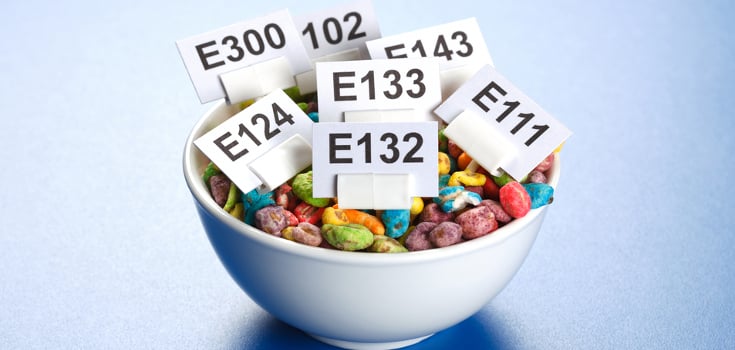
To further appreciate just how unhealthy even seemingly healthy food can be in well-stocked supermarkets, this report in The Guardian reveals the cocktails of additives, colourants and preservatives that the modern food industry adds to our food.
Moreover, in many regions across the globe industrialised factory farming has replaced traditional livestock agriculture. Animals are thrown together in cramped conditions to scale up production and maximise output at minimum cost. For example, just 40 years ago the Philippines’ entire population was fed on native eggs and chickens produced by family farmers. Now, most of those farmers are out of business. And because world trade rules encourage nations from imposing tariffs on subsidised imported products, they are forced to allow cheap, factory-farmed US meat into the country. These products are then sold at lower prices than domestic meat. There is therefore pressure for local producers to scale up and industrialise to compete.
Factory farms increase the risk of pathogens like E coli and salmonella that cause food-borne illness in people. Overuse of antibiotics can fuel the growth of antibiotic-resistant bacteria, the use of arsenic and growth hormones can increase the risk of cancer in people and crowded conditions can be a breeding ground for disease. And genetically modified animal feed is also a serious issue, leading to concerns about the impact on both animal and human health.
The green revolution, micronutrient deficient soil and human health
We often hear unsubstantiated claims about the green revolution having saved hundreds of millions of lives, but any short-term gains have been offset. This high-input petro-chemical paradigm helped the drive towards greater monocropping and has resulted in less diverse diets and less nutritious foods. Its long-term impact has led to soil degradation and mineral imbalances, which in turn have adversely affected human health (see this report on India by botanist Stuart Newton – p 9 onward).
Adding weight to this argument, the authors of this paper from the International Journal of Environmental and Rural Development state:
“Cropping systems promoted by the green revolution have increased the food production but also resulted in reduced food-crop diversity and decreased availability of micronutrients (Welch, 2002; Stein et al., 2007). Micronutrient malnutrition is causing increased rates of chronic diseases (cancer, heart diseases, stroke, diabetes and osteoporosis) in many developing nations; more than 3 billion people are directly affected by the micronutrient deficiencies (Cakmak et al., 1999; Welch, 2002; WHO, 2002; Welch and Graham, 2004). Unbalanced use of mineral fertilizers and a decrease in the use of organic manure are the main causes of the nutrient deficiency in the regions where the cropping intensity is high (Prasad, 1984; Welch, 1993, 2005).”The authors imply that the link between micronutrient deficiency in soil and human nutrition is increasingly regarded as important:
“Moreover, agricultural intensification requires an increased nutrient flow towards and greater uptake of nutrients by crops. Until now, micronutrient deficiency has mostly been addressed as a soil and, to a smaller extent, plant problem. Currently, it is being addressed as a human nutrition problem as well. Increasingly, soils and food systems are affected by micronutrients disorders, leading to reduced crop production and malnutrition and diseases in humans and plants (Welch et al., 1982; Welch and Graham, 2004). Conventionally, agriculture is taken as a food-production discipline and was considered a source of human nutrition; hence, in recent years many efforts (Rengel and Graham, 1995a, b; Cakmak et al., 1999; Frossard et al., 2000; Welch and Graham, 2005; Stein et al., 2007) have been made to improve the quality of food for the growing world population, particularly in the developing nations.”
 Pesticides, the environment, food and health
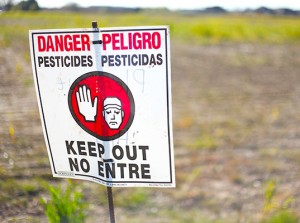
Hand in hand with the practices outlined above has been the growth of the widespread intensive use of chemical pesticides. There are currently 34,000 pesticides registered for use in the US. Drinking water is often contaminated by pesticides and more babies are being born with preventable birth defects due to pesticide exposure. Illnesses are on the rise too, including asthma, autism and learning disabilities, birth defects and reproductive dysfunction, diabetes, Parkinson’s and Alzheimer’s diseases and several types of cancer. The association with pesticide exposure is becoming stronger with each new study.
In Punjab, pesticide run-offs into water sources have turned the state into a ‘cancer epicentre‘, and Indian soils are being depleted as a result of the application of green revolution ideology and chemical inputs. India is losing 5,334 million tonnes of soil every year due to soil erosion because of the indiscreet and excessive use of fertilisers, insecticides and pesticides. The Indian Council of Agricultural Research reports that soil is become deficient in nutrients and fertility.
India is one of the world’s largest users of pesticides and a profitable market for the corporations that manufacture them. Ladyfinger, cabbage, tomato and cauliflower in particular may contain dangerously high levels because farmers tend to harvest them almost immediately after spraying. Fruit and vegetables are sprayed and tampered with to make them more colourful, and harmful fungicides are sprayed on fruit to ripen them in order to rush them off to market.
Consider that if you live in India, the next time you serve up a good old ‘wholesome’ meal of rice and various vegetables, you could take in half a milligram of pesticide also. That would be much more than what an average North American person would consume.
Research by the School of Natural Sciences and Engineering (SNSE) at the National Institute of Advanced Studies in Bangalore has indicated disturbing trends in the increased use of pesticide. In 2008, it reported that many crops for export had been rejected internationally due to high pesticide residues. Moreover, India is one of the largest users of World Health Organization (WHO) class 1A pesticides, including phorate, phosphorus, phosphamidon and fenthion that are extremely hazardous.
Kasargod in Kerala is notorious for the indiscriminate spraying of endosulfan. The government-owned Plantation Corporation of Kerala aerially sprayed the harmful pesticide on cashews for a period of over 20 years. Consequently, it got into rivers, streams and drinking water. Families and their children have been living with physical deformities, cancers and disorders of the central nervous system ever since.
Officials and the pesticide companies benefited from the spraying. At the time, cashew was grown without pesticides throughout Kerala, but the government-run plantation invested millions of rupees of public money in spraying the deadly pesticide. Endosulfen poisoning cases also emerged elsewhere, including Karnataka.
The SNSE notes that pesticide use across India has greatly increased over the years. This not only impacts the health of consumers but also the health of agricultural workers who are subject to pesticide drift and spaying, especially as they tend to wear little or no protection. Research by SNSE shows farmers use a cocktail of pesticides and often use three to four times the recommended amounts (see this).
Forced-fed development: who benefits?
If there are any beneficiaries in all of this, it is the pesticide manufacturers, the healthcare sector, especially private clinics and drug companies, and the transnational food and agribusiness companies, which now see their main growth markets in Asia, Africa and South America, where traditionally people have tended to eat food from their own farms or markets that sell locally-produced foods.
Of course, the commodification and privatisation of seeds by corporate entities, the manufacturing and selling of more and more chemicals to spray on them, the opening up fast food outlets and the selling of pharmaceuticals or the expansion of private hospitals to address the health impacts of the modern junk food system (in India, the healthcare sector is projected to grow by 16 percent a year) all amounts to the holy grail of neoliberal capitalism, GDP growth; which increasingly means a system defined by jobless growth, greater personal and public debt and massive profits for large corporations and banks.
 While
there are calls for taxes on unhealthy food and emphasis is placed on
encouraging individual ‘lifestyle changes’ and ‘healthy eating’, it
would be better to call to account the corporations that profit from the
growing and production of health-damaging food in the first place and
to get agriculture off the chemical treadmill.
While
there are calls for taxes on unhealthy food and emphasis is placed on
encouraging individual ‘lifestyle changes’ and ‘healthy eating’, it
would be better to call to account the corporations that profit from the
growing and production of health-damaging food in the first place and
to get agriculture off the chemical treadmill.
Part of the solution entails restoring degraded soils. It also includes moving towards healthier and more nutritious organic agriculture, encouraging localised rural and urban food economies that are shielded from the effects of rigged trade and international markets and shying away from the need for unhealthy food-processing practices, unnatural preservatives and harmful additives.
In India, it also involves calling a halt to the programmed dismantling of local rural economies and indigenous agriculture under the guise of ‘globalisation’ for the benefit of transnational agribusiness and food retail corporations. And it entails placing less emphasis on a headlong rush towards urbanisation (and the subsequent distortion of agricultural production), while putting greater emphasis on localisation.
The original source of this article is Global Research
Copyright © Colin Todhunter, Global Research, 2016
Death of the Birds and the Bees Across America

The honey bee, Apis mellifera, is the most important pollinator of agricultural crops. Honey bees pollinate over 70 out of 100 crops that in turn provide 90% of the world’s food. They pollinate most fruits and vegetables–including apples, oranges, strawberries, onions and carrots.2 But while managed honey bee populations have increased over the last 50 years, bee colony populations have decreased significantly in many European and North American nations. Simultaneously, crops that are dependent on insects for pollination have increased. The phenomenon has received the curious designation of Colony Collapse Disorder (CCD), implying it could be caused by any number of factors. Serious recent scientific studies however point to a major cause: use of new highly toxic systemic pesticides in agriculture since about 2004.
If governments in the EU, USA and other countries fail to impose a total ban on certain chemical insecticides, not only could bees become a thing of the past. The human species could face staggering new challenges merely to survive. The immediate threat comes from the widespread proliferation of commercial insecticides containing the highly-toxic chemical with the improbable name, neonicotinoids. Neonicotinoids are a group of insecticides chemically similar to nicotine. They act on the central nervous system of insects. But also on bees and small song birds. Recent evidence suggests they could also affect human brain development in newborn.
Some five to six years back, reports began to circulate from around the world, especially out of the United States, and then increasingly from around the EU, especially in the UK, that entire bee colonies were disappearing. Since 2004 over a million beehives have died across the United States and beekeepers in 25 states report what is called Colony Collapse Disorder. In winter of 2009 an estimated one fifth of bee hives in the UK were lost, double the natural rate.3 Government authorities claimed it was a mystery.
And in the USA a fact sheet from the Environmenrtal Protection Agency (EPA) on Bayer AG’s Clothianidin, a widely used neonicotinoid, warned:
“Available data indicate that clothianidin on corn and canola should result in minimal acute toxic risk to birds. However, assessments show that exposure to treated seeds through ingestion may result in chronic toxic risk to non-endangered and endangered small birds (e.g., songbirds) and acute/chronic toxicity risk to non-endangered and endangered mammals.”4
Alarming UK results
A private UK research organization, Buglife and the Soil Association, undertook tests to try to determine cause of the bee death. They found that the decline was caused in part by a group of pesticides called neonicotinoids.5 Neonicotinoids are “systemic” chemicals that kill insects by getting into the cell of the plant. In Britain it’s widely used for crops like oilseed rape and for production of potted plants.
The neonicotinoids are found in the UK in products including Chinook, used on oilseed rape and Bayer UK 720, used in the production of potted plants which then ends up in gardens and homes around the country. The new study examined in detail the most comprehensive array of peer-reviewed research into possible long-term effects of neonicotinoid use. Their conclusion was that neonicotinoid pesticides damage the health and life cycle of bees over the long term by affecting the nervous system. The report noted, “Neonicotinoids may be a significant factor contributing to current bee declines and could also contribute to declines in other non-target invertebrate species.”6 The organization called for a total ban on pesticides containing any neonicotinoids.
The president of the UK Soil Association, Peter Melchett, told the press that pesticides were causing a continued decline in pollinating insects, risking a multimillion pound farming industry. “The UK is notorious for taking the most relaxed approach to pesticide safety in the EU; Buglife’s report shows that this puts at risk pollination services vital for UK agriculture,” he said. 7
Indeed in March 2012 Sir Robert Watson, Chief Scientist at the British Government’s Department of Environment announced that his government was reconsidering its allowance of neonicotinoid use in the UK. Watson told a British newspaper, “We will absolutely look at the University of Stirling work, the French work, and the American work that came out a couple of months ago. We must look at this in real detail to see whether or not the current British position is correct or is incorrect. I want this all reassessed, very, very carefully.”8 To date no policy change has ensued however. Given the seriousness of the scientific studies and of the claims of danger, a prudent policy would have been to provisionally suspend further uise of neonicotinoids pending further research. No such luck.
EPA Corruption
In the United States the government agency responsible for approving or banning chemicals deemed dangerous to the environment is the Environmental Protection Agency (EPA). In 2003, over the clear warnings of its own scientists, the EPA licensed a neonicotinoid called Clothianidin, patented by the German Bayer AG together with a Japanese company, Takeda. It is sold under the brand name Poncho. It was immediately used on over 88 million acres of US corn in the 2004 crop and since that time, the shocking death of more than one million beehives across the corn prairies of the Midwest has been reported. 9
The political appointees at EPA at the time allowed Bayer to receive a license for Poncho despite the official judgment of EPA scientists that Clothianidin was “highly toxic to bees by contact and oral exposure” and that is was “highly mobile in soil and groundwater – very likely to migrate into streams, ponds and other fields, where it would be absorbed by wildflowers” – and go on to kill more bees and non-target insects like butterflies and bumblebees. The warning, from a leaked EPA memo dated September 28, 2005 summarizes the Environmental Fate and Effects Division’s Environmental Risk Assessment for Clothianidin, which it said “will remain toxic to bees for days after a spray application. In honey bees, the effects of this toxic exposure may include lethal and/or sub-lethal effects in the larvae and reproductive effects to the queen.”10
The EPA scientists judged it to be many times more toxic than Bayer’s other nicotinoid, Imidacloprid, sold under the brand name Gaucho, which itself is “7,000 times more toxic to bees than DDT.”11 DDT was banned in the USA in 1972 after numerous studies proved its toxic effects on both animals and humans.
Then in January of this year another US Government agency, the US Department of Agriculture, published a significant new report from scientists under the direction of Jeffrey Pettis of the USDA Bee Research Laboratory. The study, published in the German scientific journal, Naturwissenschaften, was explosive.
The Pettis study concluded after careful control experiments with bees exposed and not exposed to neonicotinoids clearly demonstrated that there was “an interaction between sub-lethal exposure to imidacloprid (Bayer’s Gaucho—w.e.) at the colony level and the spore production in individual bees of honey bee gut parasite Nosema.” Moreover, the study went on, “Our results suggest that the current methods used to evaluate the potential negative effect of pesticides are inadequate. This is not the first study to note a complex and unexpected interaction between low pesticide exposure and pathogen loads…We suggest new pesticide testing standards be devised that incorporate increased pathogen susceptibility into the test protocols. Lastly, we believe that subtle interactions between pesticides and pathogens, such as demonstrated here, could be a major contributor to increased mortality of honey bee colonies worldwide.”12
Renowned Dutch toxicologist, Dr. Henk Tennekes reported that, unlike claims from Bayer and other neonicotinoid manufacturers, bees living near maize fields sprayed with the toxic pesticides are exposed to the neonicotinoids throughout the entire growing season, and the toxin is cumulative. Tennekes noted, “Bees are exposed to these compounds and several other agricultural pesticides in several ways throughout the foraging period. During spring, extremely high levels of clothianidin and thiamethoxam were found in planter exhaust material produced during the planting of treated maize seed. We also found neonicotinoids in the soil of each field we sampled, including unplanted fields.” 13
Effect on Human Brain?
But most alarming of all is the evidence that exposure to neonicotinides has horrific possible effects on humans as well as on birds and bees.
Professor Henk Tennekes describes the effects:
“Today the major illnesses confronting children in the United States include a number of psychosocial and behavioral conditions. Neurodevelopmental disorders, including learning disabilities, dyslexia, mental retardation, attention deficit disorder, and autism – occurrence is more prevalent than previously thought, affecting 5 percent to 10 percent of the 4 million children born in the United States annually. Beyond childhood, incidence rates of chronic neurodegenerative diseases of adult life such as Parkinson’s disease and dementia have increased markedly. These trends raise the possibility that exposures in early life act as triggers of later illness, perhaps by reducing the numbers of cells in essential regions of the brain to below the level needed to maintain function in the face of advancing age. Prenatal and childhood exposures to pesticides have emerged as a significant risk factor explaining impacts on brain structure and health that can increase the risk of neurological disease later in life.”14There is also growing evidence suggesting persistent exposure to plants sprayed with neonicotinoids could be responsible for damage to the human brain, including the recent sharp rise in incidents of autism in children.
Tennekes, referring to recent studies of the effects of various exposures of neonicotinoids to rats, noted,
“Accumulating evidence suggests that chronic exposure to nicotine causes many adverse effects on the normal development of a child. Perinatal exposure to nicotine is a known risk factor for sudden infant death syndrome, low-birth-weight infants, and attention deficit/hyperactivity disorder. Therefore, the neonicotinoids may adversely affect human health, especially the developing brain.”15Referring to studies recently published in the magazine, Science, Brian Moench noted:
The brain of insects is the intended target of these insecticides. They disrupt the bees homing behavior and their ability to return to the hive, kind of like “bee autism.” But insects are different than humans, right? Human and insect nerve cells share the same basic biologic infrastructure. Chemicals that interrupt electrical impulses in insect nerves will do the same to humans. But humans are much bigger than insects and the doses to humans are miniscule, right?
During critical first trimester development a human is no bigger than an insect so there is every reason to believe that pesticides could wreak havoc with the developing brain of a human embryo. But human embryos aren’t out in corn fields being sprayed with insecticides, are they? A recent study showed that every human tested had the world’s best-selling pesticide, Roundup, detectable in their urine at concentrations between five and twenty times the level considered safe for drinking water.16
The most alarming part of the neonicotinoid story is that governments and the EU to date are content to take little or no precautionary steps to stop even suspected contamination from neonicotinoids pending through long-term tests that would determine finally if they are as dangerous as considerable and growing scientific evidence says.
Bayer AG and neonicotinoids
In early 2011 the UN Environment Programme (UNEP) published a report on bee mortalities around the world. Bayer neonicotinoids, Poncho and Gaucho, are listed there as a threat to numerous animals.
According to the UN report, “Systemic insecticides such as those used as seed coatings, which migrate from the roots through the entire plant, all the way to the flowers, can potentially cause toxic chronic exposure to non-target pollinators. Various studies revealed the high toxicity of chemicals such as Imidacloprid, Clothianidin, Thiamethoxam and associated ingredients for animals such as cats, fish, rats, rabbits, birds and earthworms. Laboratory studies have shown that such chemicals can cause losses of sense of direction, impair memory and brain metabolism, and cause mortality.” 17
Yet Bayer AG shows no signs of voluntarily stopping production and distribution of its toxic neonicotinoids.
The German pharmaceutical giant counts among its historic achievements one it prefers today to forget– the first synthesis of something it marketed as cough medicine in 1898 under the trade name, Heroin, taken from the “heroic” feeling it gave to Bayer workers on whom it was tested. 18 According to the German citizen watchdog group, Coalition against BAYER Dangers, Gaucho and Poncho have been among BAYER’s top-selling pesticides: “In 2010, Gaucho sales were valued at US$ 820 million while Poncho sales were valued at US$ 260 million. Gaucho ranked first among BAYER’s best-selling pesticide, while Poncho ranked seventh. It is striking that in the 2011 Annual Report no sales figures for Gaucho and Poncho are shown.”19
Ban in many EU Countries
Unlike the United States, several EU countries have banned use of neonicotinoids, refusing to accept test and safety reports from the chemical manufacturers as adequate. One case in point was in Germany where the Julius Kühn-Institut – Bundesforschungsinstitut für Kulturpflanzen (JKI) in Quedlinburg a state-run crop research institute, collected samples of dead honeybees and determined that clothianidin caused the deaths.
Bayer CropScience blamed defective seed corn batches. The company gave an unconvincing counter claim that the coating came off as the seeds were sown, which allowed unusually high amounts of toxic dust to spread to adjacent areas where bees collected pollen and nectar. The attorney for a coalition of groups filing the suit, Harro Schultze stated, “We’re suspecting that Bayer submitted flawed studies to play down the risks of pesticide residues in treated plants. Bayer’s … management has to be called to account, since the risks … have now been known for more than 10 years.”20
Significantly, in Bayer’s home country, Germany, the German government has banned Bayer’s neonicotinoids since 2009. France and Italy have imposed similar bans. In Italy, the government found that with the ban, bee populations returned in number, leading to an upholding of the ban despite strong chemical industry pressure.21
Despite the alarming evidence of links between neonicotinoids and bee colony collapse disorder, as well as possible impacts on human foetal cells and brains, the reaction so far in the European Union Commission has been scandalously slow. Brussels has been so weak in responding that the Office of EU Ombudsman has initiated an investigation into why. European Union Ombudsman Nikiforos Diamandou said he had opened an investigation after a complaint from the Austrian Ombudsman Board, who said the European Commission had failed to take account of the new evidence on the role of neonicotinoids in bee mortality. “In its view, the Commission should take new scientific evidence into account and take appropriate measures, such as reviewing the authorisation of relevant substances,” said a statement from the EU Ombudsman’s office.
The ombudsman has asked the Commission to submit an opinion in the investigation by June 30, after which it will issue a report. Recommendations by the ombudsman are non-binding. The Commission in response has said it has asked the European Food Safety Agency (EFSA) to carry out a full review of all neonicotinoid insecticides by April 30 and that it would take appropriate measures based on the findings.22
Giving EFSA final say on food safety for Europe’s consumers and insects is tantamount to asking the foxes to guard the hen house today. EFSA is heavily influenced by members with conflicts of interest and dubious ties to the same agribusiness interests represented by Bayer AG and other agriculture chemical multinationals.23
Bayer is one of six global companies tied to development of patented GMO seeds and related chemicals, controlling inputs into the entire food chain. As a tightly inter-linked group, Monsanto, Dow, BASF, Bayer, Syngenta and DuPont control the global seed, pesticide and agricultural biotechnology markets. This concentration of power over world agriculture is unprecedented. As one observer noted, it enables them to “control the agricultural research agenda; dictate trade agreements and agricultural policies; position their technologies as the ‘science-based’ solution to increase crop yields, feed the hungry and save the planet; escape democratic and regulatory controls; subvert competitive markets.” 24
Dutch toxicologist Tennekes and Alex Lu, associate professor of environmental exposure biology at Harvard’s Department of Environmental Health are among a growing number of scientists around the world calling for an immediate and global ban on the use of the new neonicotinoid pesticides.25 Professor Lu calls for a very simple test: “I would suggest removing all neonicotinoids from use globally for a period of five to six years. If the bee population is going back up during the after the ban, I think we will have the answer.” That should be more than food for thought in Washington, Brussels and elsewhere.
Notes:
1 S.E. McGregor, Insect pollination of cultivated crop plants, 1976, USDA Agriculture. Handbook 496, p. 1
2 Coalition against BAYER Dangers (Germany), Countermotion to shareholder meeting: BAYER Pesticides causing bee decline, Press Release, April 11, 2012.
3 Louise Gray, Beekeepers lose one fifth of hives, 24 August, 2009, The Telegraph, accessed in http://www.telegraph.co.uk/earth/earthnews/6069218/Beekeepers-lose-one-fifth-of-hives.html
4 Anon., Clothianidin a Neonicotinoid Pesticide Highly Toxic to Honeybees and other pollinators, March 20, 2007, accessed in http://www.theenvironmentalblog.org/2007/03/clothianidin-a-neonicotinoid-pesticide-highly-toxic-to-honeybees-and-other-pollinators/.
5 Ibid.
6 Ibid.
7 Ibid.
8 Michael McCarthy, Government to reconsider nerve agent pesticides, The Independent, 31 March 2012, accessed in http://www.independent.co.uk/environment/nature/government-to-reconsider-nerve-agent-pesticides-7604121.html
9 Henk Tennekes, They’ve turned the Environment into the Experiment and WE are all the experimental Subjects, January 19, 2011, accessed in http://www.boerenlandvogels.nl/en/content/they%E2%80%99ve-turned-environment-experiment-%E2%80%93-and-we-are-all-experimental-subjects.
10 Ibid.
11 Ibid.
12 Jeffrey S. Pettis, et al, Pesticide exposure in honey bees results in increased levels of the gut pathogen Nosema, Naturwissenschaften-The Science of Nature, 13 January, 2012, accessed in http://www.springerlink.com/content/p1027164r403288u/fulltext.html
13 Henk Tennekes, Honey Bees Living Near Maize Fields Are Exposed To Neonicotinoids Throughout The Growing Season, January 5, 2012, accessed in http://www.farmlandbirds.net/en/taxonomy/term/3.
14 Henk Tennekes, Prenatal exposures to pesticides may increase the risk of neurological disease later in life, March 20, 2012, accessed in http://www.farmlandbirds.net/en/content/prenatal-exposures-pesticides-may-increase-risk-neurological-disease-later-life
15 Henk Tennekes, The neonicotinoids may adversely affect human health, especially the developing brain, March 20, 2012, accessed in http://www.farmlandbirds.net/en/taxonomy/term/3.
16 Brian Moench, Autism and Disappearing Bees A Common Denominator?, April 2, 2012, Common Dreams, accessed in http://www.commondreams.org/view/2012/04/02.
17 Coalition against BAYER Dangers (Germany), op cit.
18 Richard Askwith, How aspirin turned hero: A hundred years ago Heinrich Dreser made a fortune from the discovery of heroin and aspirin, Sunday Times, 13 September 1998, accessed in http://opioids.com/heroin/heroinhistory.html.
19 Coalition against BAYER Dangers (Germany), op cit.
20 ENS, German Coalition Sues Bayer Over Pesticide Honey Bee Deaths, August 25, 2008, accessed in http://www.ens-newswire.com/ens/aug2008/2008-08-25-01.asp
21 Roberta Cruger, Nicotine Bees Population Restored With Neonicotinoids Ban, May 15, 2010, accessed in
http://www.treehugger.com/clean-technology/nicotine-bees-population-restored-with-neonicotinoids-ban.html.
22 Henk Tennekes, EU response to bee death pesticide link questioned, April 24, 2012, accessed in http://www.farmlandbirds.net/en/taxonomy/term/3.
23 Olivier Hoedeman, Corporate Europe Observatory, Open letter regarding conflicts of interest EFSA’s
Management board , Brussels, March 4, 2011, accessed in http://www.corporateeurope.org/sites/default/files/sites/default/files/files/openletter/EFSA%20management%20board%20conflicts%20of%20interest.pdf
24 Andrew Olsen, Chemical Cartel, Chemical Cartel, June 28, 2010; see also, F. William Engdahl, Saat der Zerstörung: Der Dunkele Seite von Genmanipulation.
25 Henk Tennekes, Imidacloprid and Colony Collapse Disorder – Scientists Call for Global Ban on Bee-Killing Pesticides, April 5, 2012, accessed in http://www.farmlandbirds.net/en/taxonomy/term/3.
The original source of this article is williamengdahl.com
Copyright © F. William Engdahl, williamengdahl.com, 2012

Another Giant Swastika Spotted, This Time Near Roswell
- http://mysteriousuniverse.org/2016/04/another-giant-swastika-spotted-this-time-near-roswell/
- April 12, 2016
- Paul Seaburn

The swastika near Roswell. What are those other mages on either side?
It’s possible. One theory is that the giant swastika is actually a ground marker left over from World War II when pilots from Roswell’s Walker Air Force Base used the area for bombing practice. On the other hand, the Nazis were allegedly trying to build flying saucers – could it have been a marker for the one linked to Roswell?

This building at NAB Coronado definitely looks like a swastika

The swastika-shaped runways (highlighted) at Denver International Airport

Is there a swastika-shaped structure buried under the ice in Antarctica?

Kazakhstan swastika geoglyph
Which takes us back to the swastika nearish to Roswell. Is it a marker for bombers? Possibly. Is is a marker for Nazis or aliens? Well, it’s an ancient and mysterious religious and political symbol only seen from space and near a famous alleged UFO crash site. Make that a possibly too.
The mystery of swastikas – big and small – never ends.
Subscribe to:
Comments (Atom)